If you’ve ever wondered whether to run social media ads for small business growth or just go straight to Google, you’re not alone. Most local Australian business owners assume these two platforms are basically the same thing: you pay some money, people see your ad, and hopefully they call you. Simple, right?
Not quite.
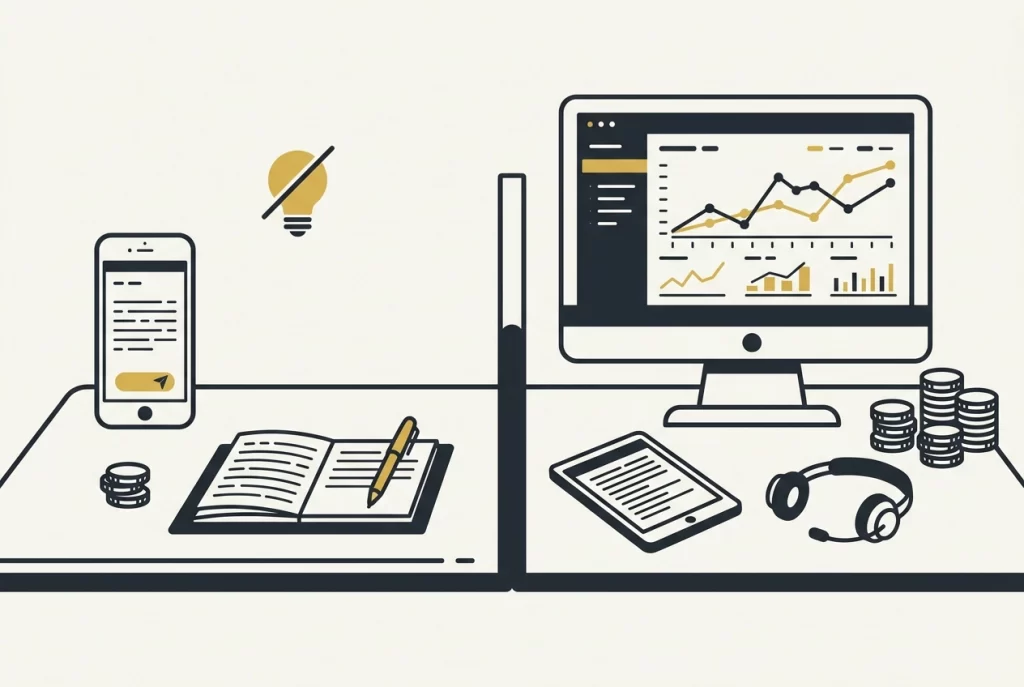
Facebook Ads and Google Ads actually work in completely different ways, and choosing the wrong one first is probably the most common reason local businesses burn through their ad budget without much to show for it. The core difference comes down to this: Google captures demand that already exists, while Facebook creates demand from scratch.
In this post, we’ll break down exactly how each platform works, which types of local businesses tend to get the best results from each one, and give you a clear, practical recommendation for where to start based on your business type and budget. No confusing jargon, no one-size-fits-all answer. Just a straightforward guide to help you spend your first ad dollars in the right place.
They Answer Two Very Different Questions
Before spending a cent on ads, it helps to understand one fundamental thing: Google Ads and Facebook Ads are not doing the same job.
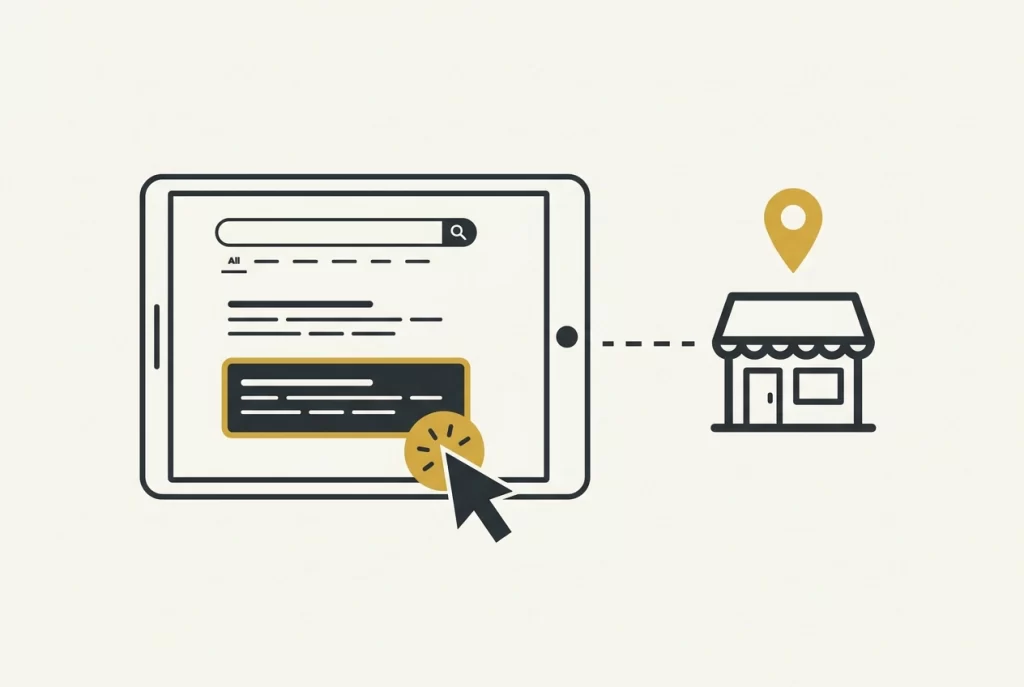
Google Ads captures demand that already exists. When someone in Parramatta types “emergency plumber near me” into Google, they already have a burst pipe and a credit card ready. Your ad appears at exactly that moment, intercepting a buyer who is already motivated and looking. Nearly 46% of all Google searches have local intent, meaning almost half of all searches are people actively looking for local services right now.
Facebook Ads create demand that doesn’t exist yet. Someone scrolling through their feed on a Sunday afternoon isn’t searching for anything. But if your ad for a bathroom renovation pops up and it looks exactly like the update they’ve been vaguely thinking about, you’ve just planted a seed. They weren’t looking for you. You found them first.
A simple way to picture the difference: Google is like placing your shop right next to the checkout counter. Facebook is like putting up a billboard on the highway before people even know they need to stop.
Neither platform is better. They just operate at different stages of the same buying journey. The mistake most local businesses make is picking the wrong one first, burning through budget, and walking away thinking ads don’t work.
If you want the full picture on what Google Ads actually costs and delivers for local businesses, this honest guide to Google Ads budgets and results is worth a read before you commit to anything.
How Google Ads Work for Local Businesses
So how does it actually work in practice?
When someone types “emergency electrician Melbourne” or “physio near me” into Google, your ad can appear at the very top of the results page, above all the organic listings. You don’t need months of SEO work to get there. You’re visible immediately, right when someone is actively looking.
The other thing that makes Google attractive for small business online advertising is the pay-per-click model. You only pay when someone clicks your ad, not just when it shows up. That means your budget is going toward people who have already shown interest, not just anyone scrolling past.
For local businesses, geographic targeting is where Google Ads really earns its keep. You can restrict your ads to a specific suburb, a postcode radius, or a defined service area. If you’re a plumber based in Frankston, you’re not paying for clicks from someone in Cairns.
The big limitation worth knowing upfront: Google Ads only works if people are already searching for what you offer. If there’s no search volume for your service, there’s nothing to capture. That’s not a problem Google can solve, and it’s a key reason the platform isn’t the right starting point for every business.
Cost is the other honest conversation to have. In competitive Australian service categories like plumbing, electrical, and legal, cost per click can be significant, making a high-converting landing page essential. A clear, simple page that tells visitors what you do, where you operate, and how to get in touch isn’t optional.
How Facebook (Meta) Ads Work for Local Businesses
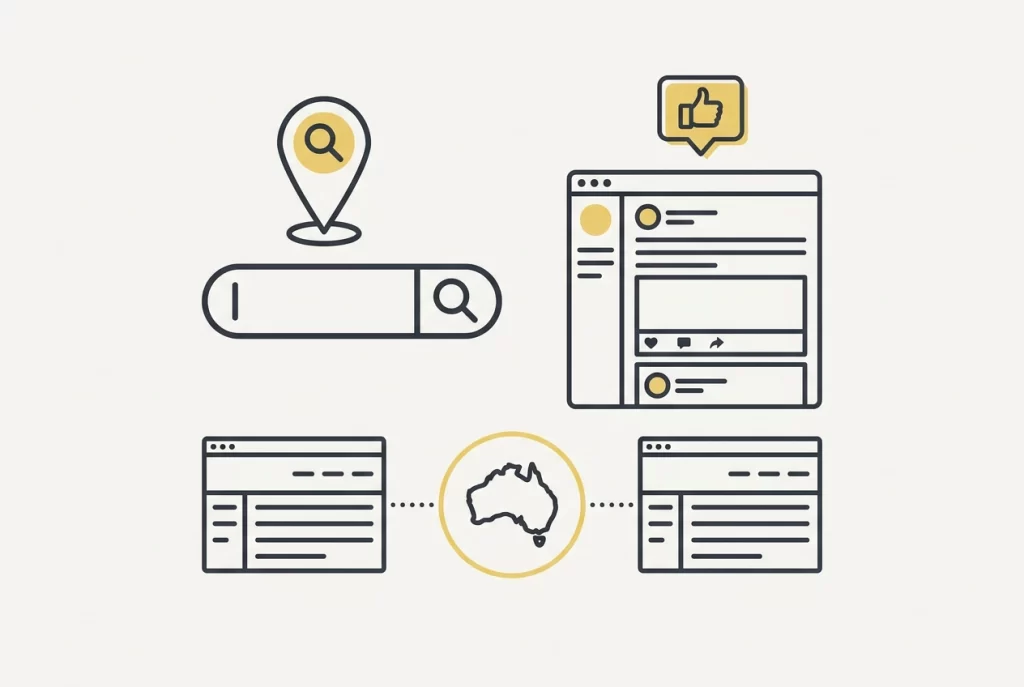
Facebook and Instagram ads work differently to Google. Instead of waiting for someone to search, Meta shows your ads to people based on who they are and how they behave on the platform. That’s why it’s often called interest-based or social media advertising for small business: the targeting is built around the person, not the search term.
What’s changed in recent years is how smart that targeting has become. Meta’s algorithm has moved well beyond broad categories like “home improvement.” It now analyses behavioural patterns across the platform to find people who are genuinely likely to take action, not just people who once liked a renovation page. The result is a system that’s much better at finding your actual future customers.
That makes Facebook Ads particularly well-suited to project-based services. Think about how someone approaches a kitchen renovation or a new deck. They browse ideas for months, maybe years, before they ever type anything into Google. Running ads on Facebook lets you show up during that long consideration phase, well before your competitors appear in search results.
The reach potential is real too. 76% of Australians are active on social media, so even a local business in a smaller regional town can build meaningful visibility through Facebook or Instagram ads.
The honest trade-off is this: people scrolling Facebook aren’t in buying mode. They didn’t ask to see your ad. That means your creative needs to stop the scroll, spark interest, and nudge someone from “that looks nice” to “I should call them.” It’s a longer path to a booking than Google, but for the right business type, it’s absolutely worth it.
Start With Google Ads If Your Service Is Urgent or Already Searched
So where does Google Ads actually shine? The flip side of Facebook’s “reach people before they’re looking” strength is this: when someone is actively looking, Google is unbeatable.
The clearest fit is urgent and emergency services. Plumbers, electricians, locksmiths, tow trucks, pest control, and air conditioning repair all share the same pattern: a problem appears, the phone comes out, and someone searches for help right now. Around 29% of Australians search for local businesses at least once a week, and for urgent situations that search almost always ends in a call or booking within minutes. There’s no awareness stage, no consideration period. Just a problem and a solution.
Beyond emergencies, Google also works well for services with short decision cycles. Dentists, physios, mechanics, and hair salons all fit this mould. A customer searches, scans two or three options, checks a few reviews, and books. The whole process can happen in one session. You don’t need to build desire, you just need to show up at the right moment.
The broader signal is simpler still: if people already know the name of what they need and type it into Google, that’s your audience raising their hand. Searches like “roof repairs Brisbane” or “bookkeeper Geelong” represent buyers who are ready. Your job is just to be visible when they look.
Budget reality for Australian metro markets: In Australian metro markets, you’ll need a meaningful monthly budget to gather enough data for consistent leads; regional areas can often work with less due to lower competition for clicks. And before you send any paid traffic anywhere, make sure your website is actually ready to convert visitors. This checklist for Australian small business websites is a solid place to start.
Start With Facebook Ads If Your Service Is Project-Based or Visual
On the flip side, if your business involves a project someone thinks about for weeks or months before committing, Facebook and Instagram are where you want to be.
Builders, landscapers, kitchen designers, bathroom renovators, painters, and fencing contractors all sit in this category. A homeowner might spend three months pinning ideas, chatting to their partner, and quietly wondering “could we actually afford this?” before they ever type anything into Google. Facebook lets you show up during that thinking phase, which puts you front of mind when they’re finally ready to get quotes.
The format plays a big role here too. Social media ads support images and video natively, so instead of writing “we build beautiful decks,” you can just show one. That’s a significant edge for any visually driven business. A landscaper, flooring company, or interior designer can let the work speak for itself in a way that a text-based search ad simply can’t match.
Social media advertising for small business also suits any brand that needs people to know it exists. A new cafe, a boutique gym, or a local retail shop can’t rely on search volume if nobody’s heard of them yet. Facebook and Instagram are genuinely useful tools for getting a local community familiar with your name.
A realistic local campaign requires a consistent monthly commitment; expect the first few weeks to be slower while the algorithm finds its feet.
There’s one more use case worth calling out. If your customers wouldn’t know what to search for (“epoxy floor coating” means nothing to most people), Facebook lets you show the finished result and create interest that never existed as a search query.
Quick Guide: Which Platform Suits Your Business Type
Still not sure where your business fits? Here’s a quick breakdown.
Start with Google Ads:
- Emergency plumbers, electricians, locksmiths
- Dentists, physios, osteopaths
- Mechanics, pest control, tow trucks
- Lawyers, accountants, mortgage brokers (where local search volume is strong)
Anyone offering a service where the customer already knows what to type into Google belongs in this column.
Start with Facebook and Instagram Ads:
- Builders, landscapers, painters, fencing and flooring contractors
- Kitchen and bathroom renovators, interior designers
- Personal trainers, new cafes and restaurants
- Retail boutiques and wedding-related services
These businesses benefit from showing their work visually and reaching people before the project feels urgent.
Either platform can work: Hair and beauty salons, gyms, cleaning services, and mortgage brokers sit in the middle. If strong local search volume exists in your area, Google is a solid first move. If your results are visual and you want to build local awareness, Facebook and Instagram will serve you better.
Budget reality check: If your monthly ad budget is very limited, paid advertising on either platform may not generate enough data to be meaningful. You’ll get more traction spending that time building organic content and getting your Google Business Profile properly set up first.
One non-negotiable for both platforms: Have a working website or landing page before you spend a single dollar on ads.
Before You Spend a Dollar on Ads, Check These Boxes
Before you pick a platform and set a budget, take ten minutes to make sure the basics are actually in place.
Your website comes first. It doesn’t need to win any design awards, but it does need to load quickly, clearly explain what you do and which areas you service, and make it dead simple for someone to call or send an enquiry. If a visitor has to hunt for your phone number, most won’t bother.
Claim and complete your Google Business Profile before you spend a single dollar on Google Ads. Verifying your profile gives you control over how your business appears in search, and a complete profile with photos, services, trading hours, and genuine reviews builds the trust that turns a click into a call.
On Facebook, your business page needs to look lived-in. A potential customer who clicks your ad and lands on a page with no posts and no activity will leave immediately. A handful of recent posts and a profile photo that actually matches your business is all it takes.
Set up a basic way to track results before you launch, whether that’s a contact form, a dedicated enquiry email, or simply keeping a weekly tally of inbound calls. Without that, you won’t know if your ads are working.
If any of this feels like a lot to sort out alone, it’s worth a conversation with someone who specialises in small business online advertising before committing your budget.
So, Which One Should You Actually Start With?
Once you’ve ticked off the basics, the platform choice really does come down to one simple question: are people already Googling what you do?
If yes, start with Google Ads. When someone types “emergency electrician Ballarat” or “dentist open Saturday Toowoomba,” they’re already ready to book.
If not, start with Facebook and Instagram, your future customers are still in the dreaming stage, and Facebook lets you reach them before they start searching.
Don’t try to run both on a tight budget. It’s one of the most common mistakes in small business online advertising. Splitting a small budget across two platforms means neither one gets enough budget to perform properly. Pick one, do it well, and build from there.
And whichever you choose, a clear website and active Google Business Profile remain non-negotiable.
Still not sure which platform suits your business? The team at Epik Monkey is happy to have a relaxed, no-pressure chat and point you in the right direction, no commitment required.
Conclusion
Choosing between Facebook Ads and Google Ads does not have to be overwhelming. The right starting point exists for your business. It comes down to understanding how your customers actually find and choose services like yours.
Ready to stop guessing and start growing? Whether you lean toward Google or Facebook, the team at Epik Monkey can help you make the right call and hit the ground running.